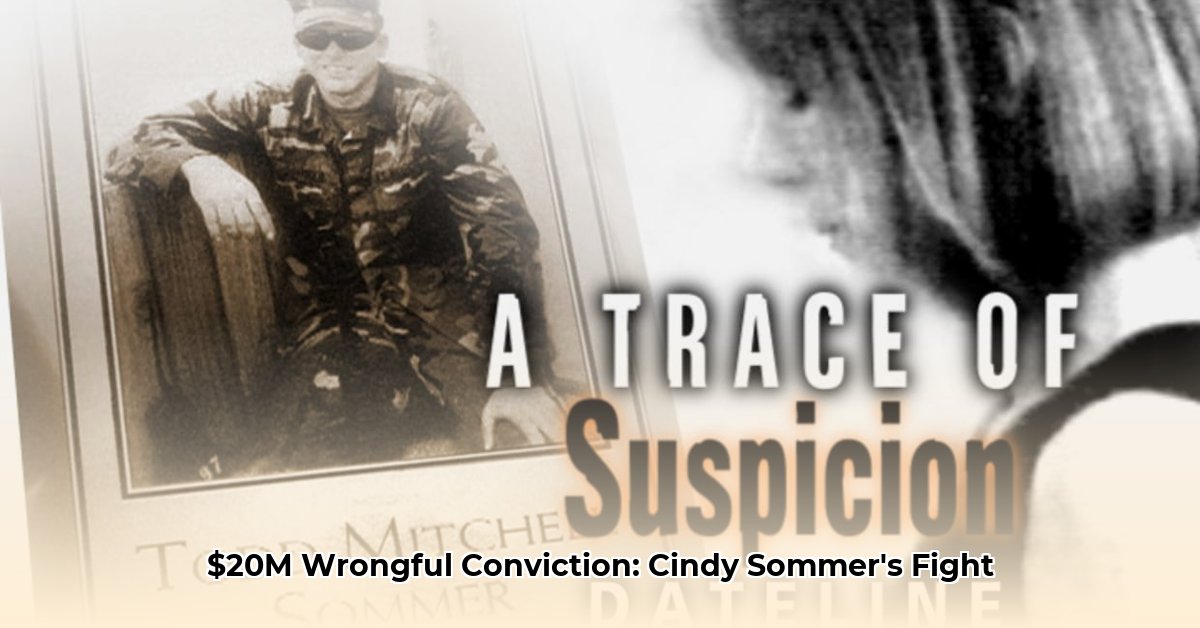
The Case of Cynthia Sommer: Flawed Forensic Evidence and a $20 Million Lawsuit
Cynthia Sommer's $20 million lawsuit against San Diego County isn't simply about financial compensation; it's a legal battle highlighting the devastating consequences of flawed forensic evidence and prosecutorial oversights. The lawsuit alleges wrongful conviction stemming from the delayed testing of crucial evidence in her husband's death investigation, ultimately leading to years of unjust imprisonment. This case serves as a stark reminder of the potential for systemic failures within the criminal justice system.
The Accusation and Initial Trial: A Life Upended
In 2005, following the death of her husband, initially ruled a heart attack, Cynthia Sommer became a suspect. The presence of a life insurance policy fueled suspicion, leading to a criminal investigation and subsequent charges of murder. The prosecution’s case heavily relied on arsenic evidence, the analysis of which, according to the lawsuit, was significantly delayed. The trial proceeded with incomplete forensic testing, ultimately resulting in an acquittal for Sommer. This acquittal, however, did not erase the ordeal she endured, both emotionally and professionally.
The Lawsuit: Allegations of Negligence and Reckless Disregard
Sommer's $20 million lawsuit claims negligence and a "reckless disregard for the truth" by the San Diego County District Attorney's office. The central argument revolves around the unacceptable delay in testing critical evidence, thereby undermining the foundation of the prosecution's case. Specifically, the lawsuit alleges that timely testing of certain tissue samples would have demonstrated the absence of arsenic, exonerating Sommer immediately. The county, however, might contend the delayed testing does not negate the existing evidence supporting prosecution.
Key Evidence and Disputed Areas: A Battle of Expert Opinions
The lawsuit’s success hinges on the interpretation of forensic evidence. The prosecution's initial reliance on arsenic levels detected in some samples will likely be contrasted with the defense's presentation of the delayed and incomplete nature of the testing done on other critical samples. Expert witnesses—forensic scientists specializing in toxicology and trace evidence analysis—will play a pivotal role in clarifying the significance of these delays and the reliability of the analyses performed. Their testimony will likely focus on the potential for sample degradation over time and the implications of the missing tests. Ultimately, the court will need to weigh conflicting expert opinions to determine the strength of Sommer’s claims.
Legal Ramifications and Potential Precedent: A System Under Scrutiny
The outcome of this lawsuit carries significant weight. A ruling in favor of Sommer could set a vital precedent for future wrongful conviction cases, potentially leading to stricter guidelines for evidence handling, more rigorous testing protocols, and increased accountability for prosecutorial conduct. Conversely, a decision in favor of San Diego County could uphold current practices or, at the least, leave current policy and procedure unchanged. Such a ruling would have wide-reaching ramifications for the legal system as a whole. This case serves as a critical examination of evidentiary standards and their impact on the fairness of legal proceedings.
The Current Status and Outlook: Awaiting Summary Judgment
Currently, the case is pending a summary judgment motion. The judge's ruling will determine whether the case proceeds to trial. If granted, a summary judgment would resolve the case before a full trial ensues, potentially avoiding the complexities and costs of a protracted legal battle. This stage is a pivotal point, shaping the final outcome and its potential influence on the understanding of justice within the system.
Key Takeaways:
- This case showcases how a delay in forensic testing can undermine a conviction.
- The role of expert testimony in interpreting forensic data is crucial.
- The outcome will have significant implications for future wrongful conviction lawsuits and forensic practices.
The legal battle surrounding Cynthia Sommer's claim highlights crucial questions about procedural efficiency and accountability within the criminal justice system. The final decision will not only impact Sommer’s net worth but also potentially reshape how forensic evidence is handled and interpreted in future cases.